"Berkeley" 36 × 36 inches, oil on linen
This painting is pretty clearly connected to my older work. I don’t think its intention needs much explaining. There’s a little of the old song "Afternoon Delight" in it. The attraction, the partial undressing, and the bedroom setting are deliberate. I wanted to keep that sense of pleasure while giving more attention to the room and to the different ways I could build the painting.
I had in mind a time when I stayed in the home of a professor in Berkeley. He actually had a bronze Ganesha sitting on top of his Mac and beads hanging between the door arches. Those details aren’t pictured here, but they belong to my memory of the place. I was a much younger man then. There are rooms and moments that stay with us long after we’ve left them, and this painting comes partly from that kind of remembering.
In many of my earlier paintings, I isolated a single figure without giving him much of an environment. Here, the bed, pillows, and dark headboard help tell the story. The figure is close to us, cropped by the edges of the canvas, while the room continues behind him. The pale bedding gives the warm flesh and ochre shirt something to play against. It also gives the figure somewhere to belong. The setting makes the image feel more particular, even though I’m leaving much of the story open.
I was also thinking about David Park and Bay Area Figurative painting. I wanted to play with the materials and let different ways of applying paint exist together. Some areas are thick and almost abstract, with paint troweled across the surface. Other passages are thinner, and you can see the crayon drawing and warm underpainting poking through. The lighter portion of the torso is more carefully rendered, with more attention to anatomy and the turning of the forms. Around it, broader marks and less resolved passages let you see how the painting was constructed. I like being able to move between recognizing a body and looking at the paint itself.
This is part of what I’m working through in "Self Directed." My older subjects are still with me, but I’m bringing more of my memories, surroundings, and interest in process into them. I’m trying to put what I saw and thought about at the Prado into conversation with the Bay Area Figurative work I recently saw at Stanford’s Anderson Collection. That feels especially good now that I’m back in the Bay Area. There’s a pleasure in returning to a place and finding that it has something more to teach me.
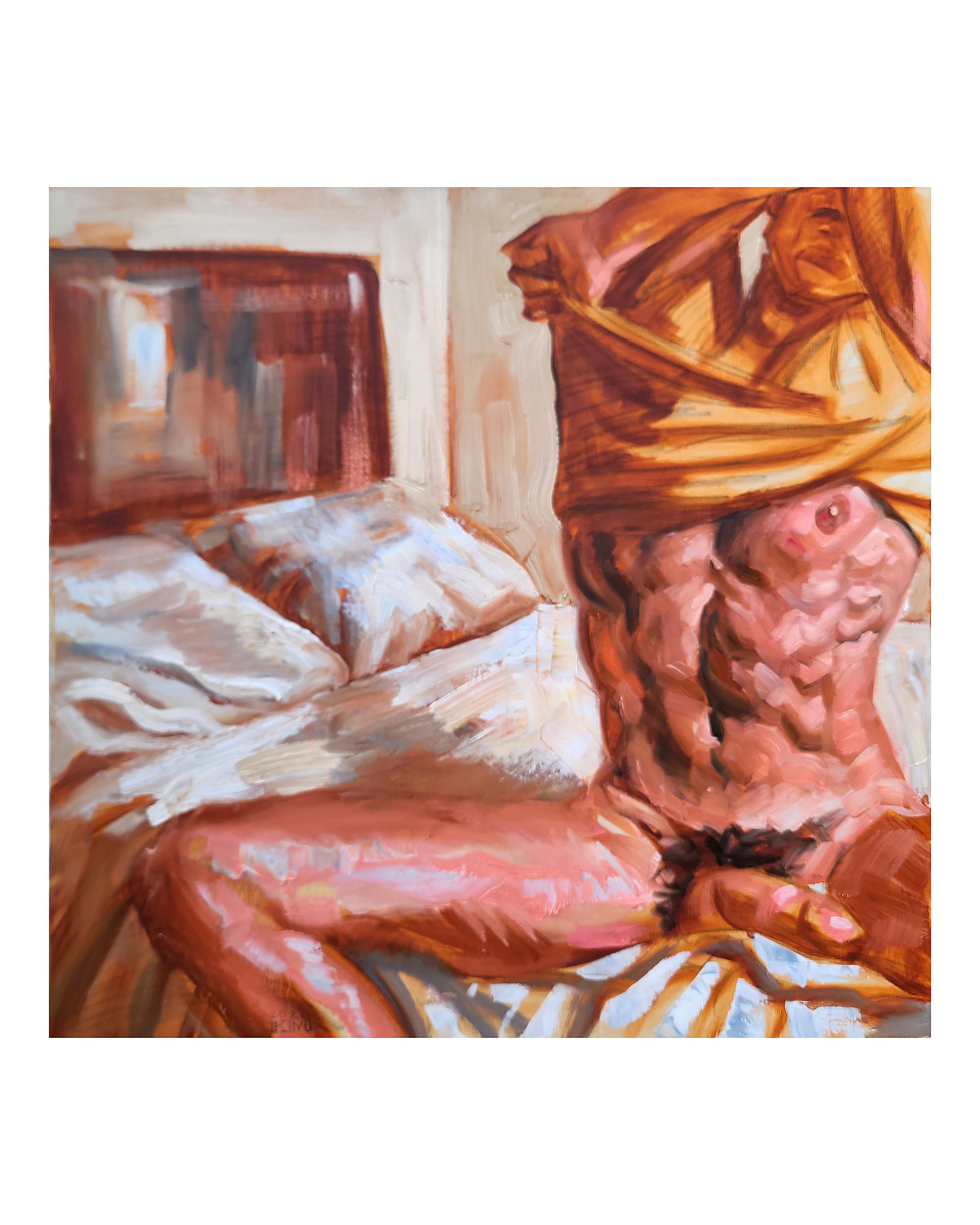 Image 1 of 12
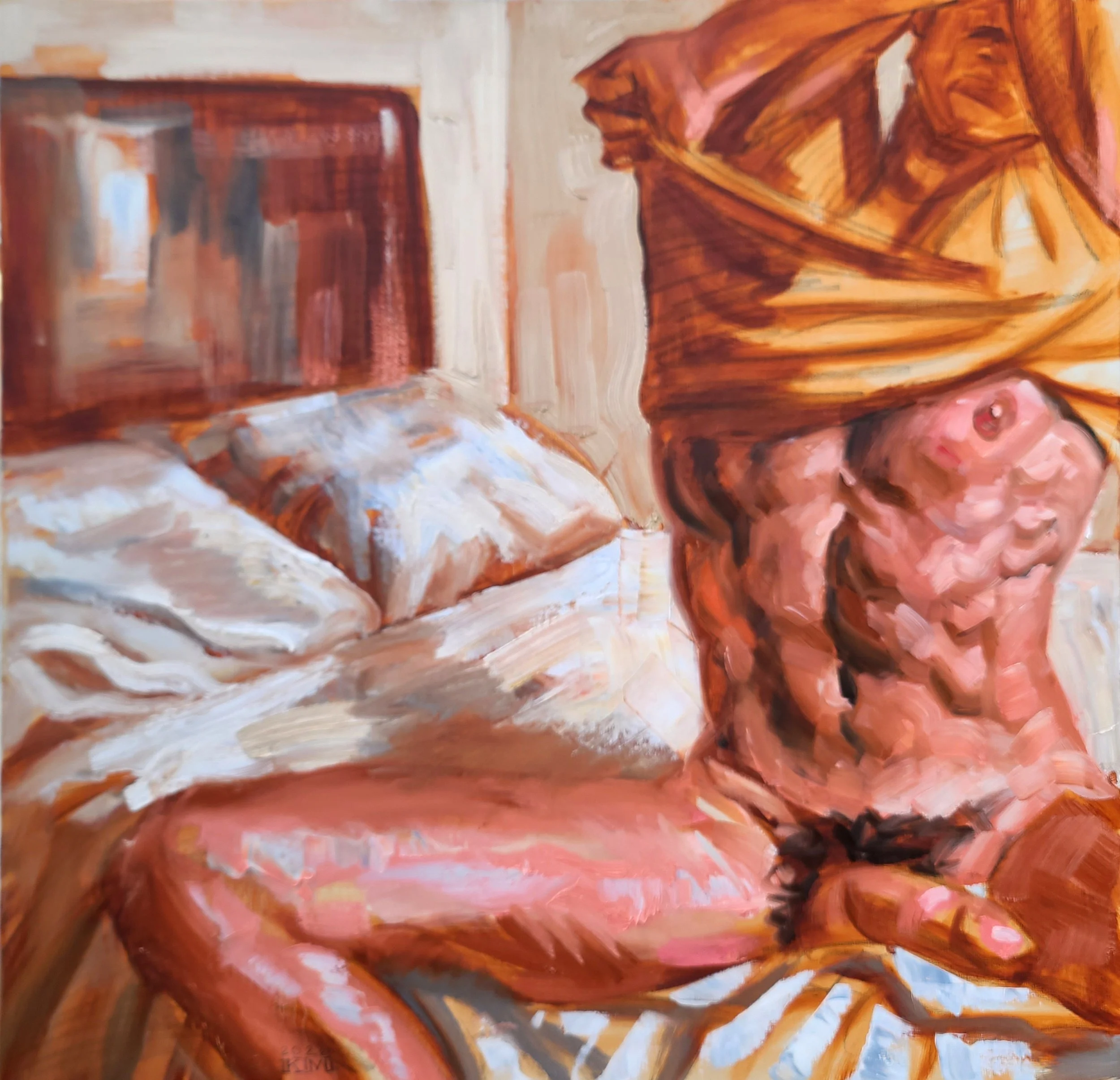 Image 2 of 12
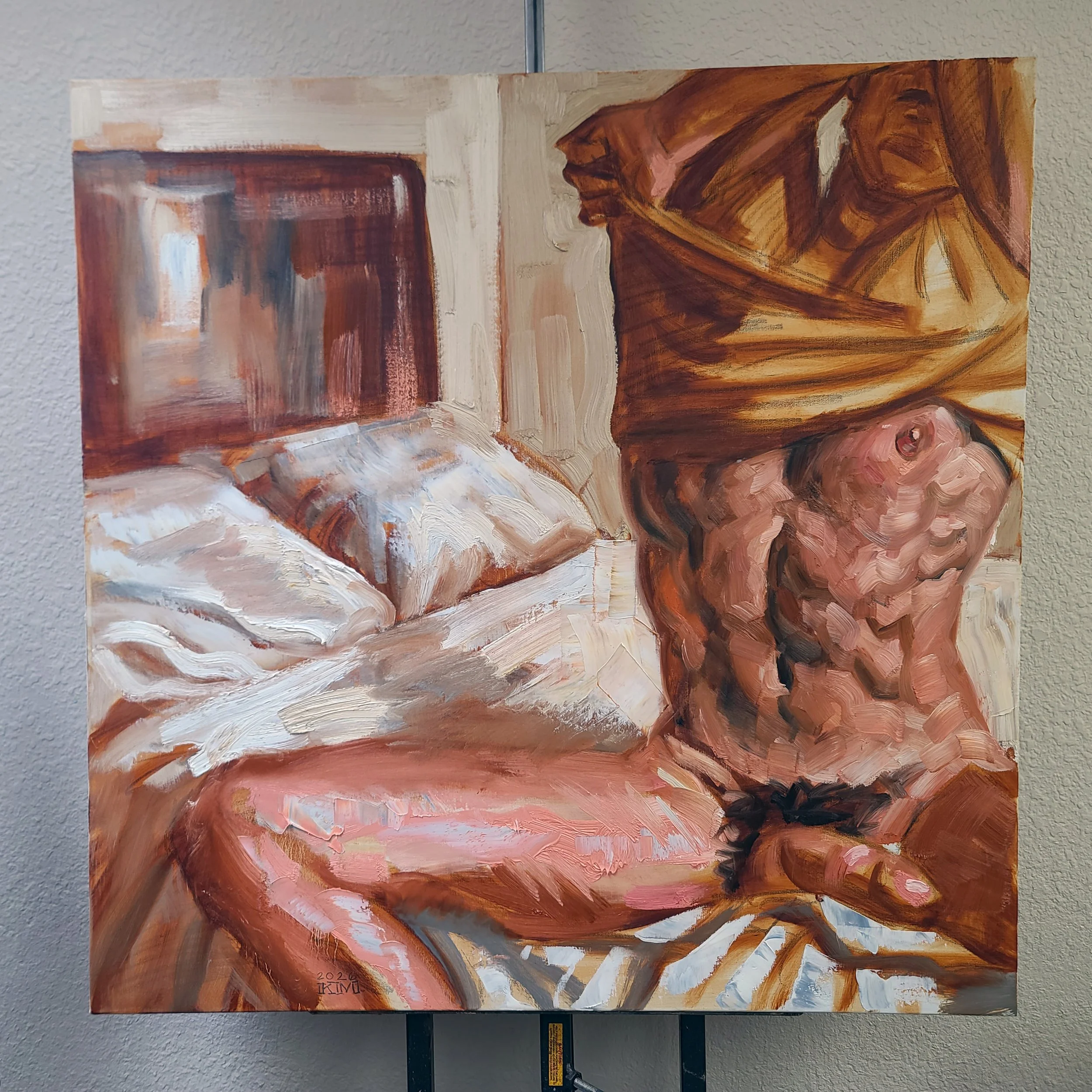 Image 3 of 12
 Image 4 of 12
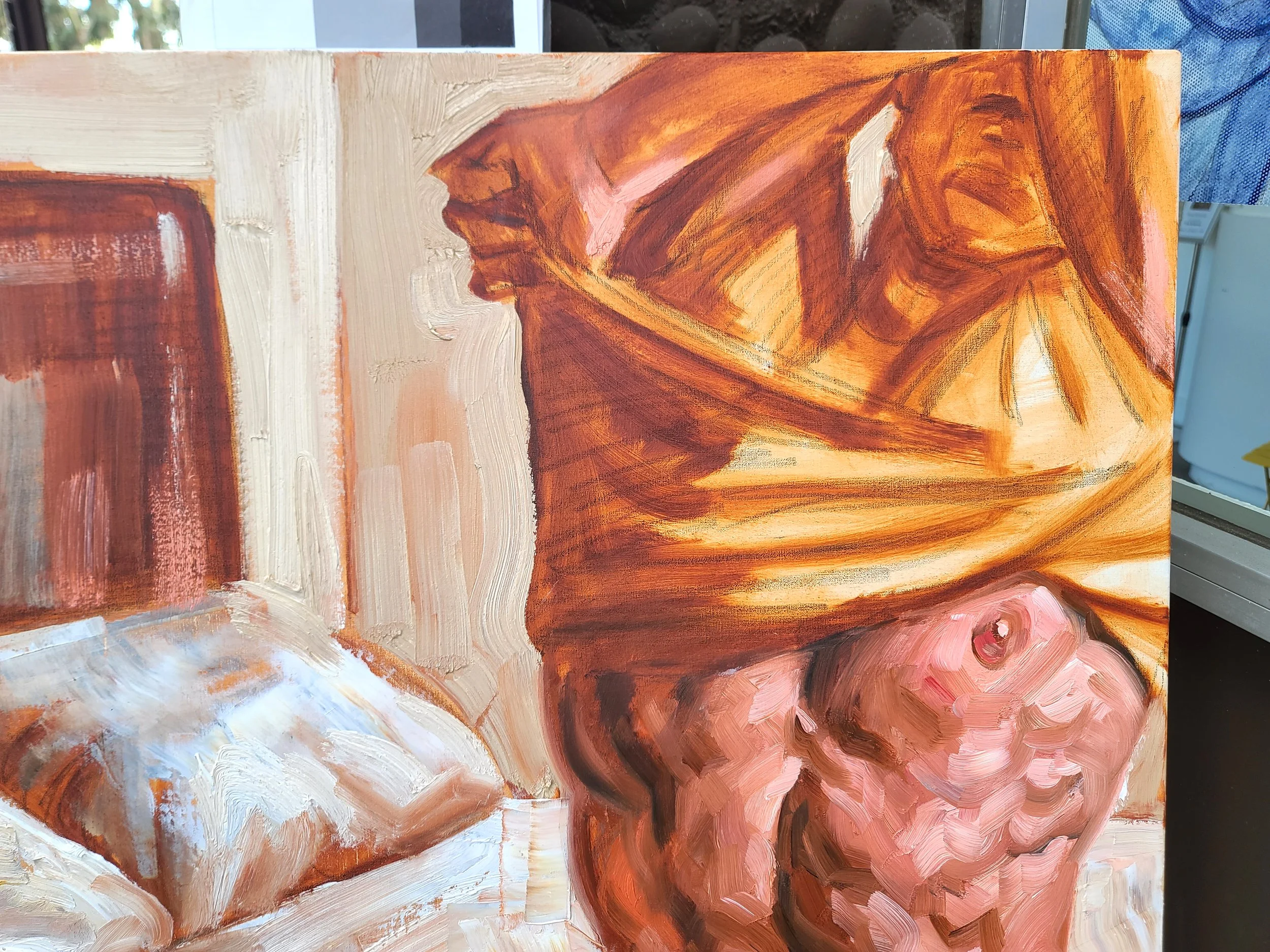 Image 5 of 12
 Image 6 of 12
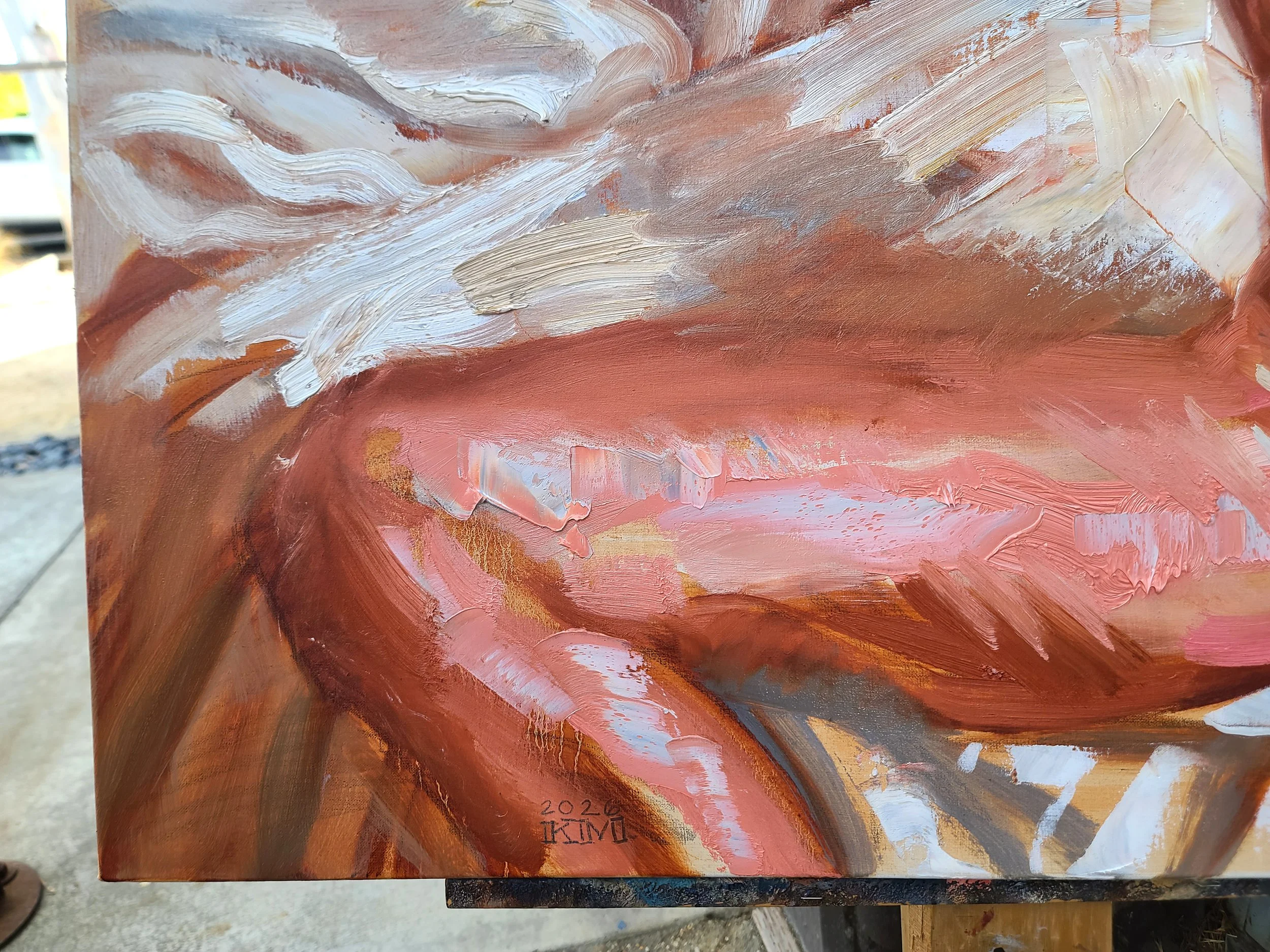 Image 7 of 12
 Image 8 of 12
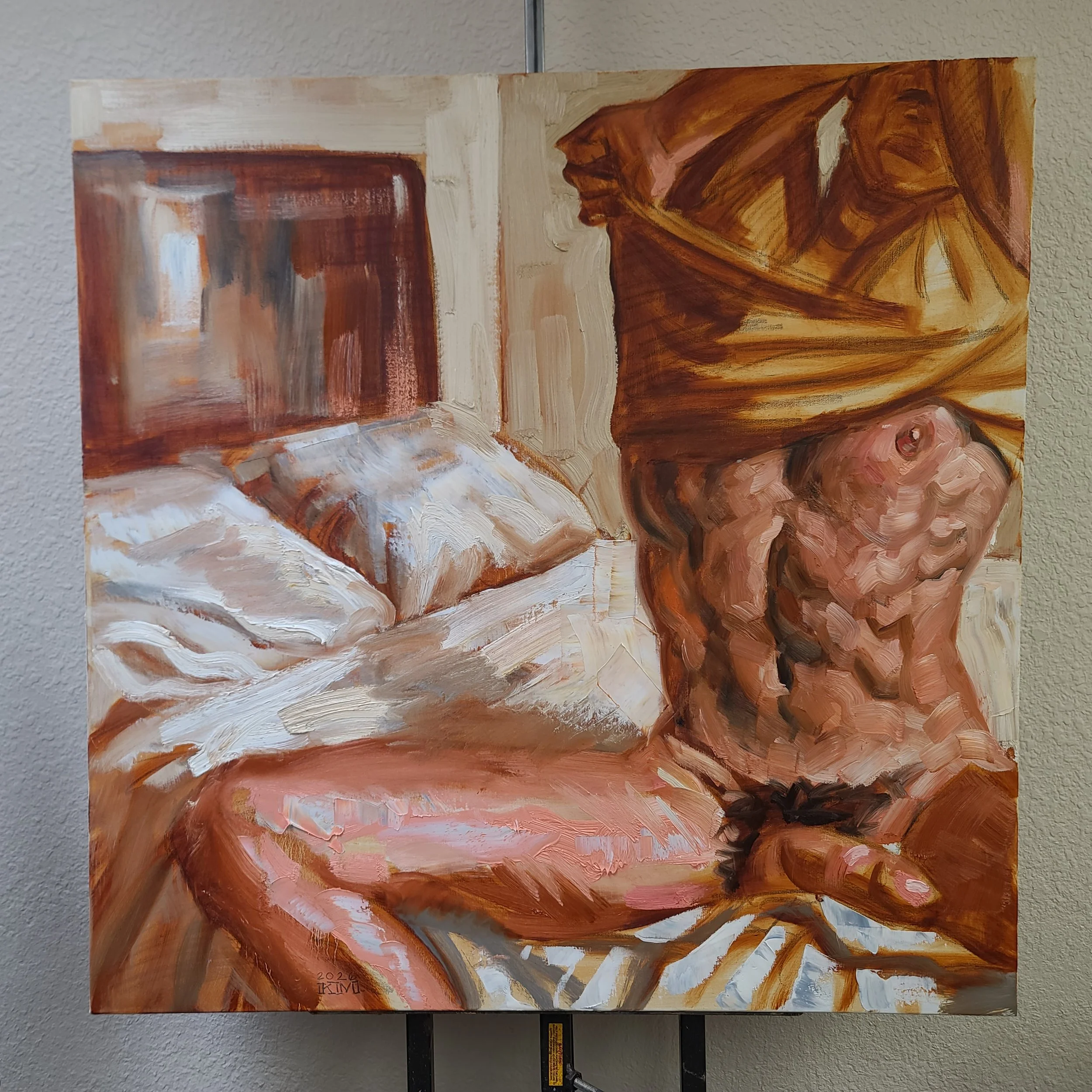 Image 9 of 12
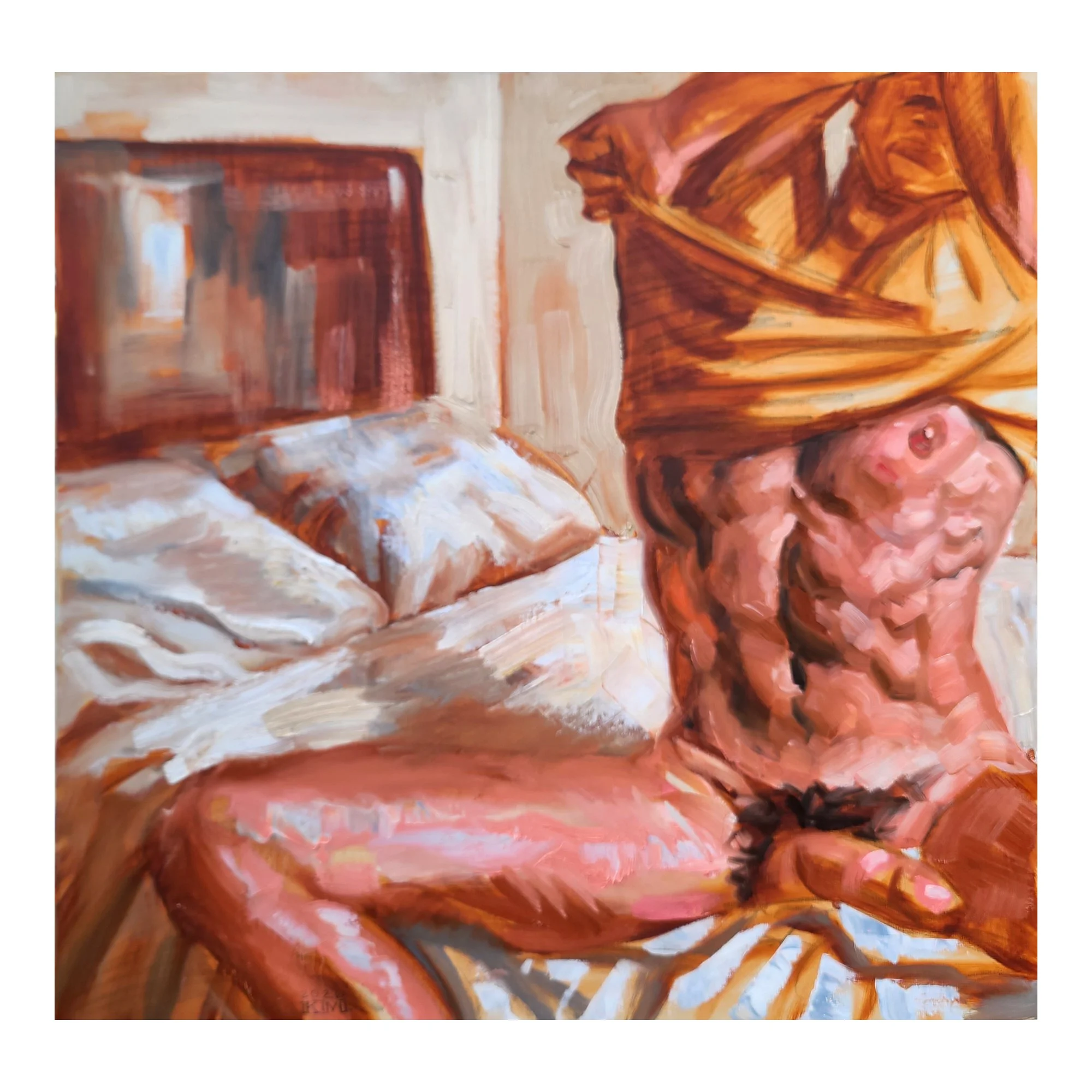 Image 10 of 12
 Image 11 of 12
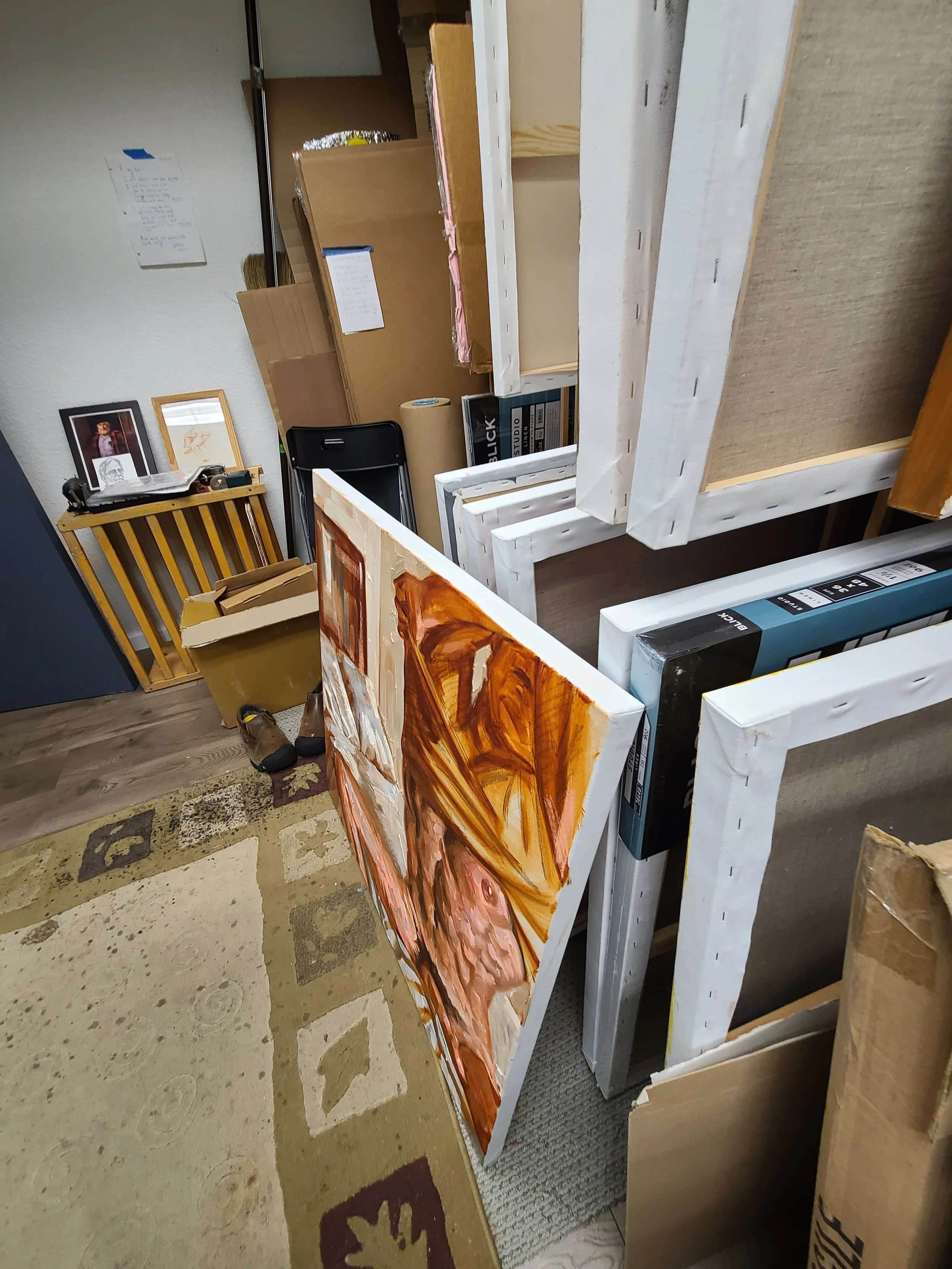 Image 12 of 12


